Peacebuilding and Conflict Transformation
Community dialogue, peace education, mediation, reconciliation, cross-border diplomacy, early warning systems, and anti-cattle rustling initiatives.
 RIAMRIAMPeace and Development Network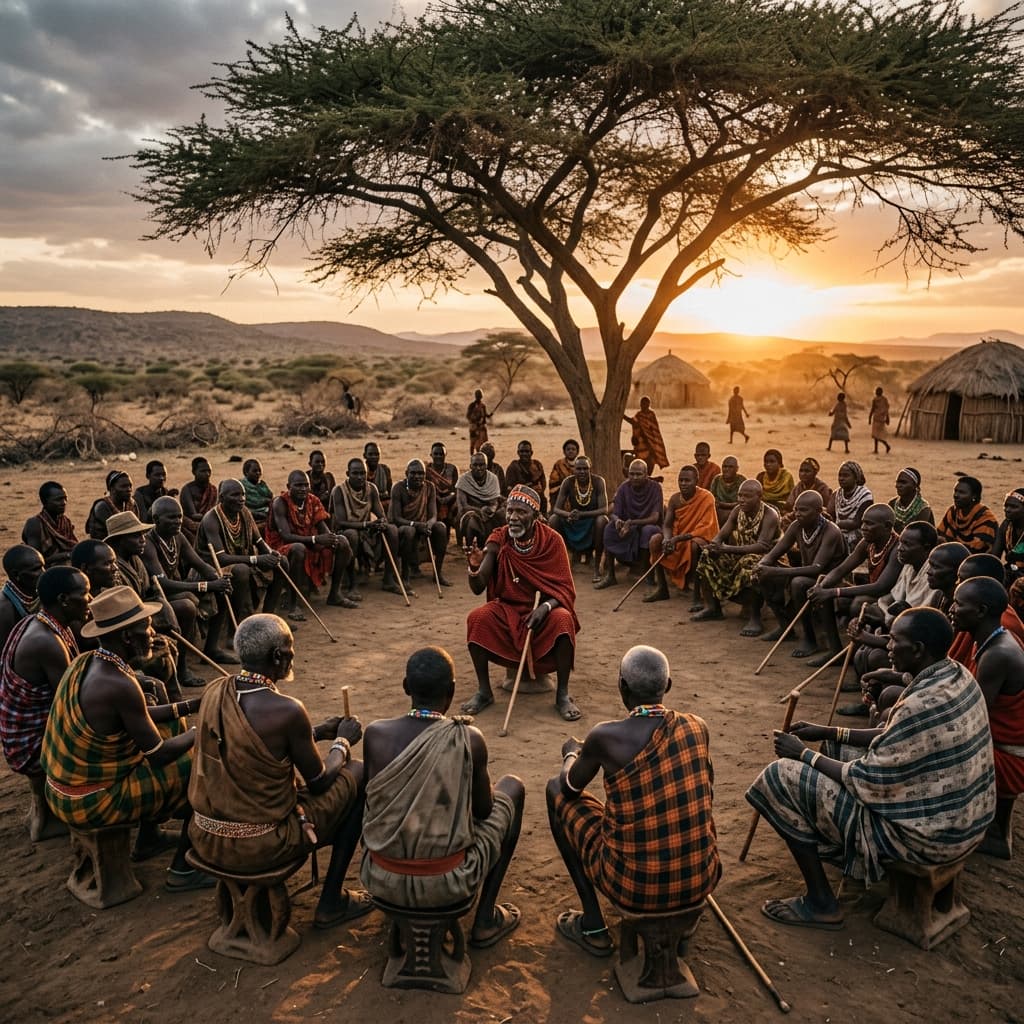
Strengthening peace infrastructure, social cohesion, and climate resilience across communities.
Who we are
RIAMRIAM Peace and Development Network (RPDN) is a community-driven Civil Society Organization and Community-Based Organization operating across Kenya and the wider East African Ateker corridor. Originally established in 2000 and revitalized in 2026, the network works to promote peace, social cohesion, resilience, and sustainable development among marginalized pastoral and borderland communities.
The name “RiamRiam,” drawn from Ateker cultural traditions, means “meeting and meeting again,” symbolizing continuous dialogue, reconciliation, cooperation, and peaceful coexistence. Guided by the motto, “Building Peace. Empowering Communities. Transforming Lives,” RPDN integrates traditional peace mechanisms with modern development approaches to address conflict, insecurity, poverty, climate vulnerability, and social exclusion.
A peaceful, resilient, inclusive, and prosperous East Africa where communities live in dignity, coexist harmoniously, and enjoy equitable opportunities for sustainable development.
To advance sustainable peace, social cohesion, and community resilience through locally led peacebuilding, humanitarian action, inclusive governance, climate adaptation, and sustainable livelihood interventions that transform lives and strengthen vulnerable communities across the Ateker Corridor and beyond.
Guided by our 2026-2030 strategic framework, RPDN works at the intersection of conflict transformation, environmental governance, and community resilience.
RIAMRIAM facilitated dialogue and mediation processes between pastoralist communities affected by recurring conflict and mistrust. Through inclusive engagement involving elders, women, youth, and local leaders, communities reached peaceful coexistence agreements, strengthened relationships, and established local monitoring committees to prevent future clashes.
What we do
Community dialogue, peace education, mediation, reconciliation, cross-border diplomacy, early warning systems, and anti-cattle rustling initiatives.
Civic education, leadership development, governance strengthening, policy advocacy, social accountability, and citizen participation.
Vocational skills development, entrepreneurship, climate-smart agriculture, pastoralist support, fisheries development, and women's economic empowerment.
Women's leadership development, prevention and response to gender-based violence, girls' empowerment, and disability inclusion programming.
Emergency relief assistance, food security and nutrition programs, Water, sanitation, and hygiene (WASH), disaster preparedness, and community resilience.
Youth leadership and mentorship, sports for peace initiatives, skills development and employability, and countering violent extremism.
Applied research and policy analysis, community-based studies, Monitoring, Evaluation, Accountability, and Learning (MEAL), and organizational capacity strengthening.
Strategic pillars
RPDN establishes institutional infrastructure, dry-season peace corridors, and early warning dispatch systems across border clusters connecting Kenya, Uganda, South Sudan, and Ethiopia.
Distinct colors highlight inter-county corridors & country regions (Kenya, Uganda, S. Sudan, Ethiopia). Click markers to inspect details.
Stories of change
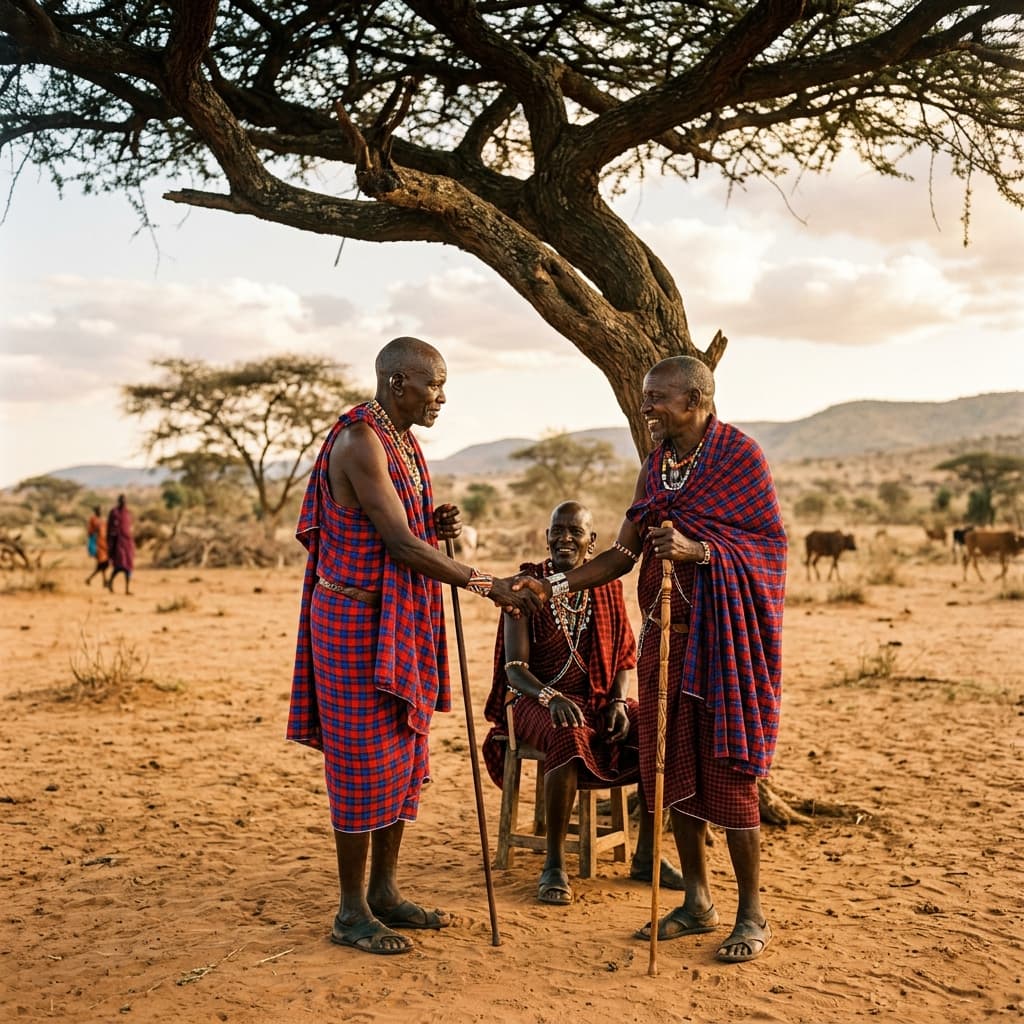
In the borderlands of the Ateker corridor, recurring conflicts over grazing land and water resources long divided pastoralist communities. RIAMRIAM facilitated structured dialogue sessions, bringing together traditional elders, youth, and local leaders. Through intensive reconciliation meetings, the communities signed historic coexistence treaties and established joint resource monitoring committees. Today, former conflict zones are peaceful corridors of trade and shared grazing.
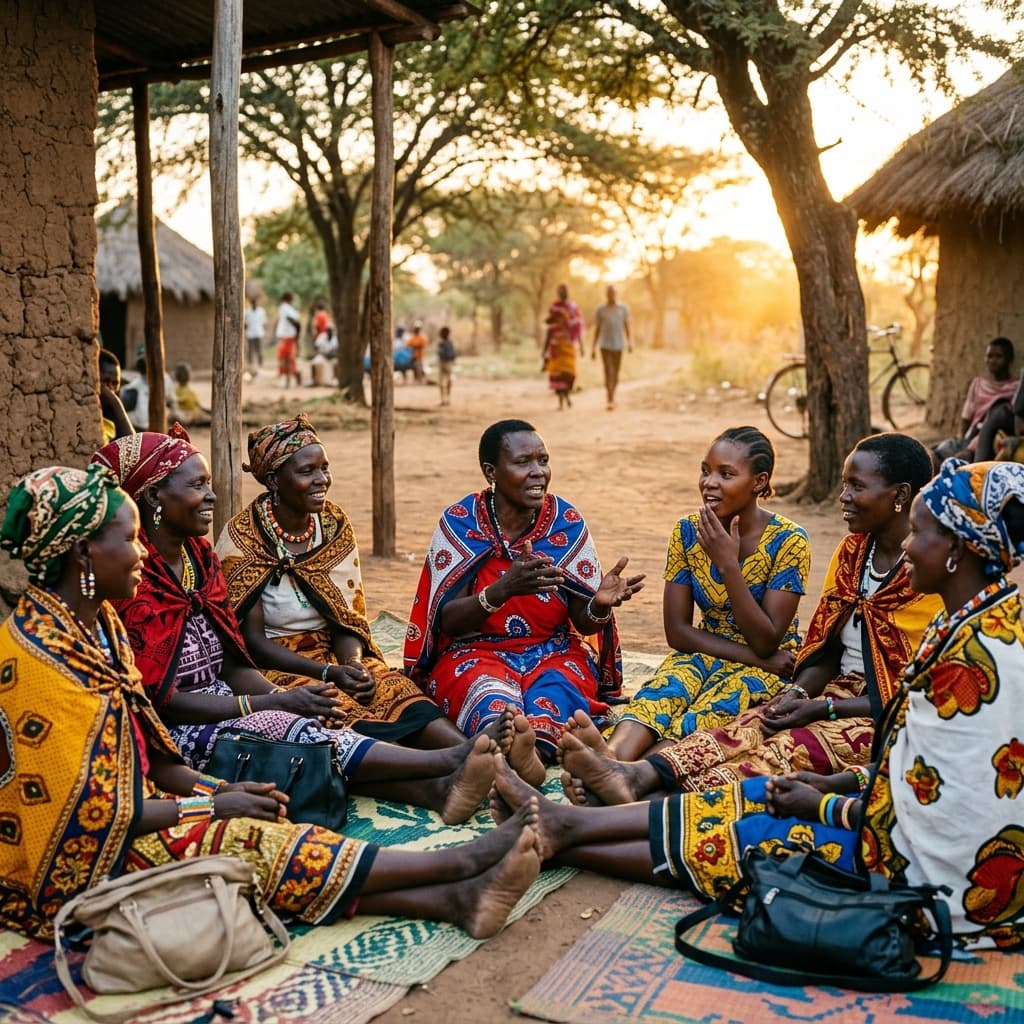
Pastoralist women have traditionally been excluded from formal peace negotiations despite bearing the brunt of violence. RPDN established Women Peace Circles, training local women in mediation, dispute resolution, and community leadership. These women now actively participate in traditional kraal assemblies and mediate local disputes before they escalate. Their advocacy has led to the inclusion of women's voices in regional border peace committees for the first time.
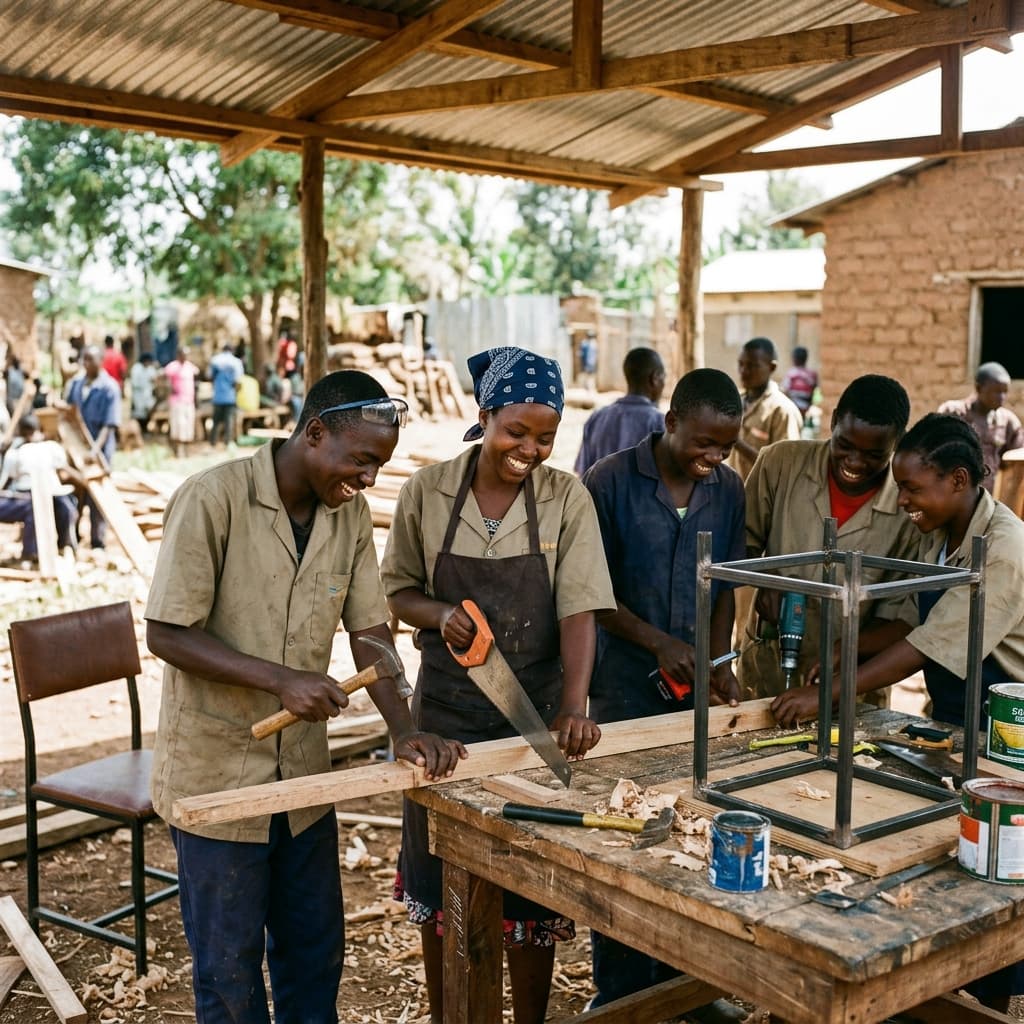
Unemployment and social exclusion have historically driven borderland youth toward cattle rustling and radicalization. RPDN launched an integrated youth empowerment program combining vocational training, business mentorship, and peace sports tournaments. By providing starter grants for eco-enterprises and local shops, we have helped hundreds of youth transition into sustainable livelihoods. These young leaders now run peace advocacy clubs, actively steering their peers away from violence.
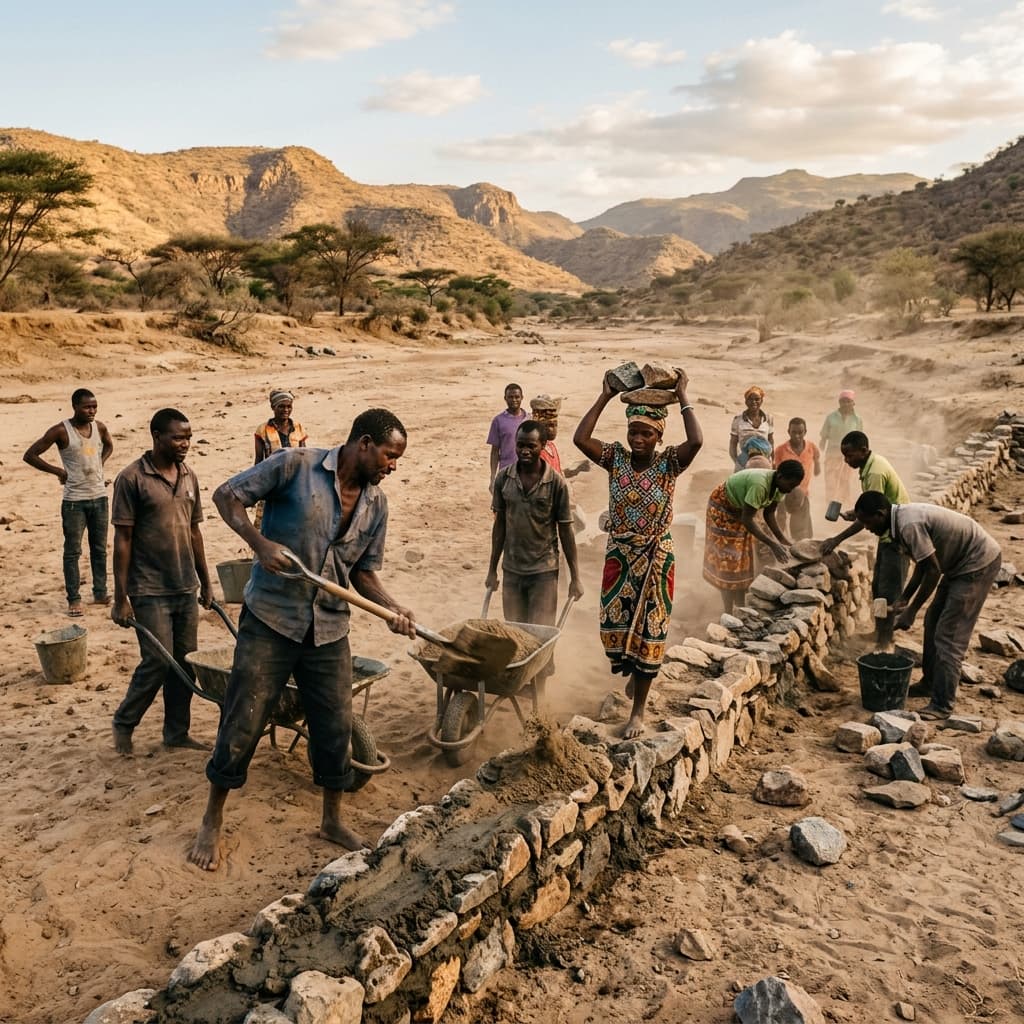
Severe droughts and environmental degradation increasingly threaten pastoralist livelihoods, driving resource conflicts. RPDN partnered with local communities to construct water-harvesting sand dams and establish climate-smart agricultural plots. We trained pastoral households in sustainable pasture management and diversified dryland income generation. These interventions have reduced the need for desperate migrations, helping communities build long-term resilience to climate shocks.
News & Updates
Stay informed on our local peace dialogues, emergency responses, and climate resilience projects.
Elders and youth peace ambassadors from Kenya and Uganda gathered in Moroto to discuss dry-season grazing pathways, joint resource sharing, and security monitoring protocols.
A new cohort of women peace circle representatives in Lodwar successfully completed entrepreneurship training and received start-up business capital to build economic resilience.
Partnerships